
The Differences Between Flight Legends and Traditional Crash Games
The gaming industry has seen a remarkable evolution in the genres available to players, with flight simulation games and crash games being two notable categories that have garnered significant attention. Among these, “Flight Legends” stands out as a modern flight simulation experience, while traditional crash games focus on destruction and chaos. This report delves into the key differences between these two types of games, examining their gameplay mechanics, objectives, target audiences, and overall user experience.
Firstly, the gameplay mechanics in Flight Legends and traditional crash games differ fundamentally. Flight Legends is designed to provide players with a realistic flying experience, featuring intricate flight controls and physics that mimic real-world aviation. Players can pilot various aircraft, each with unique handling characteristics, and engage in missions that require skillful navigation and strategic planning. In contrast, traditional crash games prioritize chaotic gameplay, where players often engage in destructive activities, such as crashing vehicles or causing mayhem in a virtual environment. The mechanics in crash games are typically simplified, focusing on fun and entertainment rather than realism.
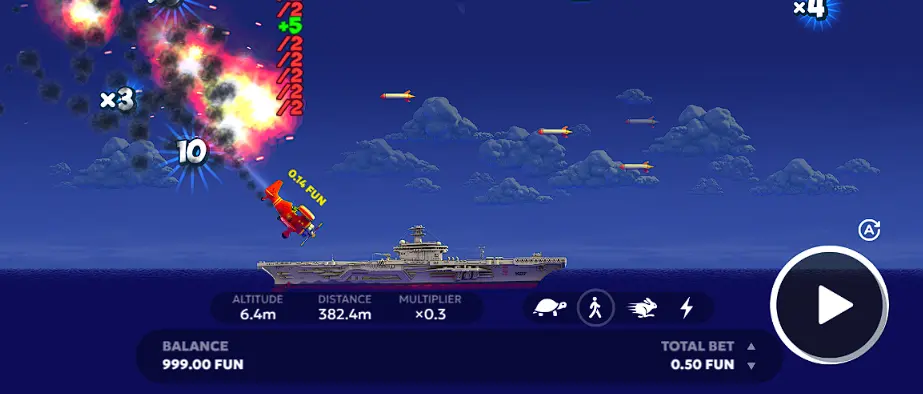
The objectives of each game type also differ significantly. In Flight Legends, players are tasked with completing various missions that may include aerial combat, transport, or exploration. Success in these missions often depends on the player’s ability to master flying techniques and utilize their aircraft’s capabilities effectively. Conversely, traditional crash games often lack structured objectives, allowing players to engage in free-form gameplay that emphasizes destruction. The primary goal in these games is often to achieve the highest score by causing the most damage or completing specific challenges related to crashing.
Target audiences for Flight Legends and traditional crash games vary as well. Flight Legends appeals to aviation enthusiasts and gamers seeking a more immersive and realistic experience. This demographic often includes individuals who appreciate the intricacies of flight and aviation history. On the other hand, traditional crash games attract a broader audience, including casual gamers who enjoy quick, entertaining sessions without the need for extensive learning curves. The simplicity and accessibility of crash games make them appealing to a wider range of players, including younger audiences.
In terms of user experience, Flight Legends offers a more immersive and educational approach, often featuring detailed graphics, realistic sound effects, and extensive tutorials to help players understand the mechanics of flying. This creates a sense of accomplishment as players improve their skills and progress through the game. In contrast, traditional crash games focus on instant gratification, providing players with immediate feedback and rewards for their destructive actions. The visual effects and sound design in crash games often emphasize excitement and chaos, enhancing the overall enjoyment of the gameplay.
In conclusion, while both Flight Legends and traditional crash games offer unique gaming experiences, they cater to different player preferences and styles. Flight Legends emphasizes realism, skill, and structured objectives, appealing to aviation enthusiasts and those seeking a more immersive experience. In contrast, traditional crash games prioritize fun, chaos, and accessibility, attracting a broader audience looking for quick entertainment. Understanding these differences can help players choose the game that best aligns with their interests and gaming preferences.